Puff Pastry Recipe in 7 Steps to Irresistible Layers

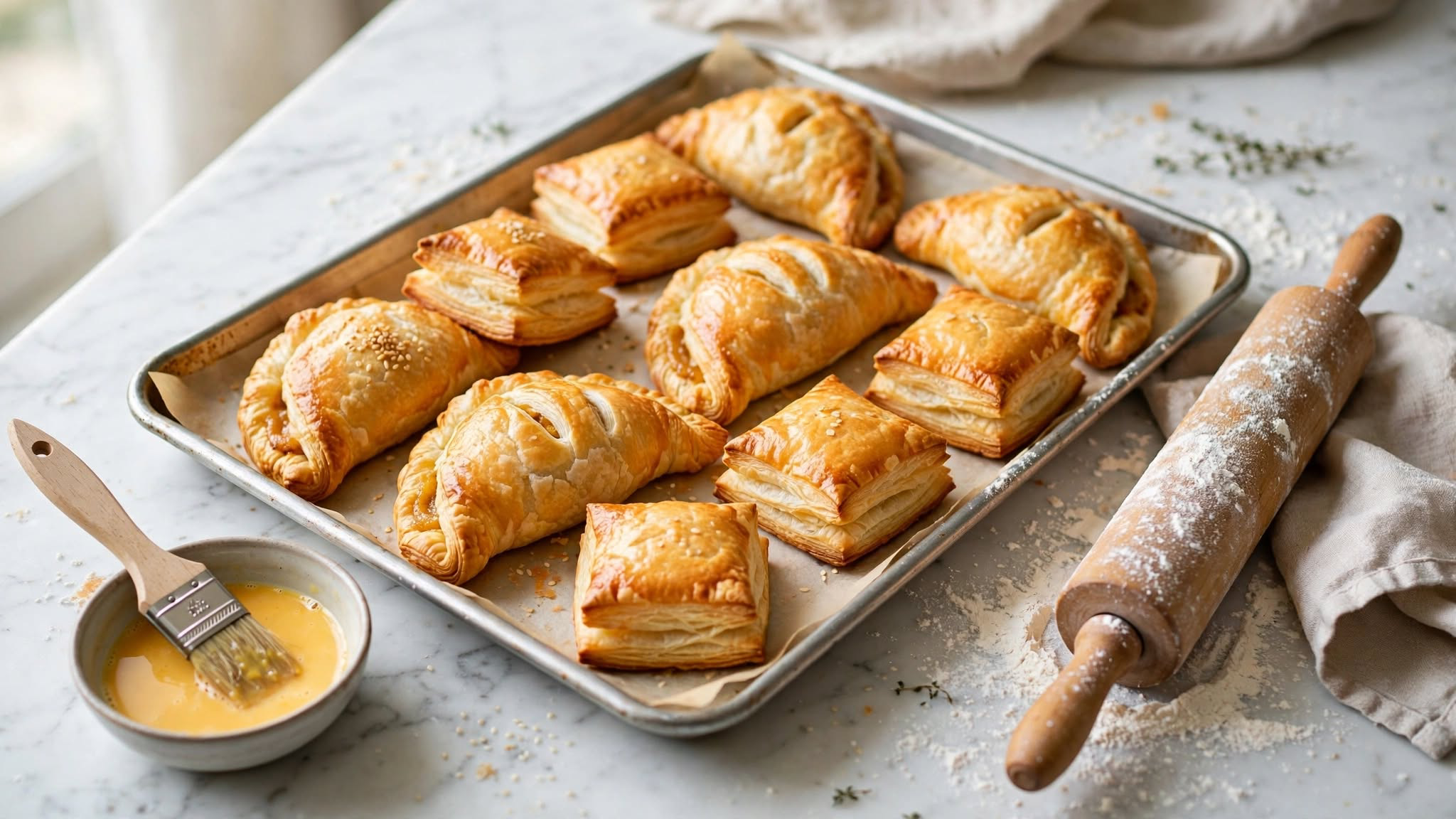
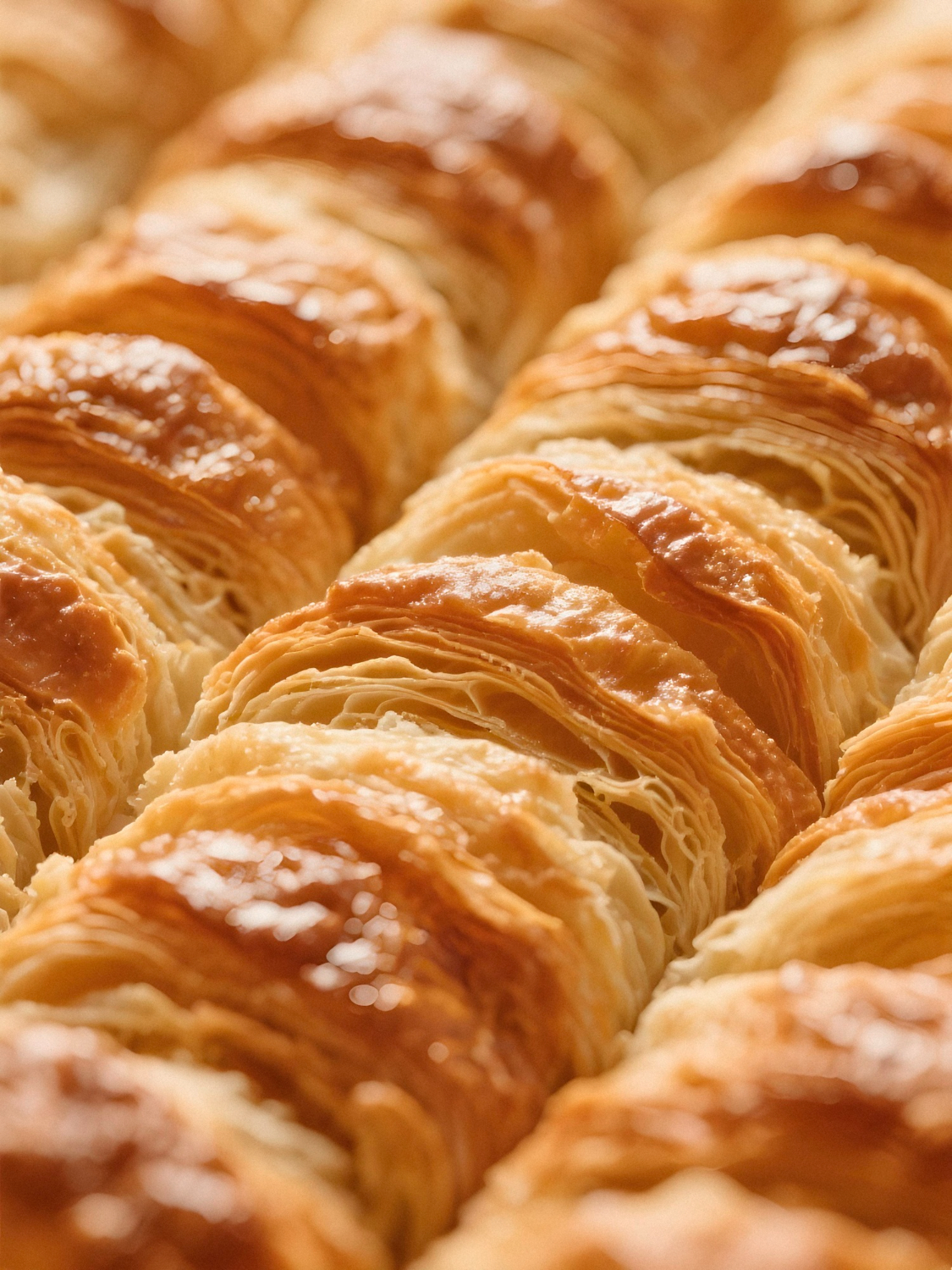
This Puff Pastry Recipe makes golden pastry with crisp, buttery layers that shatter under the fork. This puff pastry recipe uses the rough puff method, so you get flaky layers with a fraction of the work of classic French pastry.
My first attempts were frustrating. The butter leaked onto the baking sheet, the layers fused into a dense, greasy slab, and the pastry barely rose. After six test batches, I found three fixes: keeping the butter in large chunks, chilling the dough between every fold, and baking at a hot 400°F.
What makes this version different is the shortcut. Instead of wrapping a block of butter in dough, you cut cold butter into the flour, then fold the dough four times, with no special equipment. It takes about 40 minutes of work and five dough ingredients. My sister, who bakes for a living, tasted a hand pie and asked what bakery I had bought it from.
Table of Contents
Why You’ll Love This Puff Pastry Recipe
- Hundreds of flaky layers from four folds and a cold, chunky butter dough
- Real butter flavor that no store bought sheet can match
- No separate butter block, thanks to the rough puff method
- Make ahead and freezer friendly, since the dough keeps 3 days in the fridge and 3 months in the freezer
- Easy to use for a crowd, with enough dough for 2 pot pie lids, 12 turnovers, or 40 cheese straws
- Endlessly versatile, for sweet and savory recipes alike
Quick Information
- Prep Time: 40 minutes
- Chill Time: 1 hour 40 minutes, including the butter and shaped pastry
- Cook Time: 20 to 25 minutes
- Cool Time: 10 minutes
- Total Time: About 2 hours 55 minutes, mostly chilling
- Servings: 12 (about 2 ounces of baked pastry each)
- Difficulty: Medium
- Calories: 315 per serving
- Important Tool: A rolling pin and a bench scraper
- Best For: Pot pies, turnovers, hand pies, palmiers, cheese straws, or tart bases
- Course: Baking Basic
- Cuisine: French
- Category: Desserts & Baking
Nutrition Information
- Calories: 315
- Protein: 4g
- Carbohydrates: 24g
- Fat: 23g
- Fiber: 1g
- Sugar: 0g
- Sodium: 245mg
- Serving Size: 1/12 of the dough, baked, about 2 ounces
- Servings Per Recipe: 12
This puff pastry is a rich baking basic, with most of the calories coming from the butter. Pastry alone has very little sugar, and a thin layer of filling in a hand pie makes a balanced portion.
Nutrition information is an estimate calculated from standard ingredient values and will vary based on specific brands and portion sizes used.
Ingredients
For the Dough
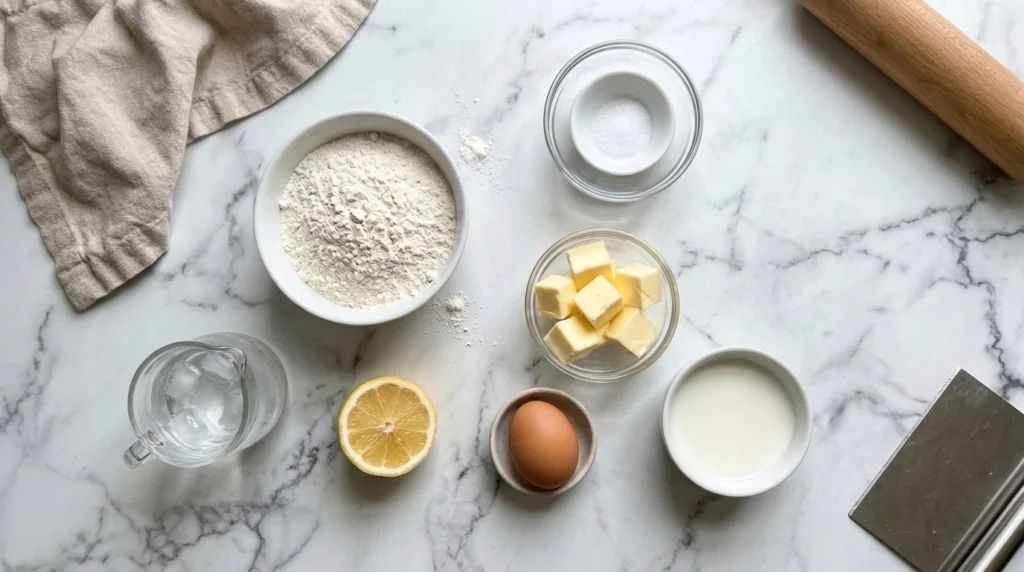
- 3 cups (375g) all purpose flour, plus more for dusting
- 1 1/4 teaspoons fine salt
- 1 1/2 cups (340g) cold unsalted butter, cut into 3/4 inch cubes
- 1/2 cup plus 2 tablespoons (150ml) ice water, plus up to 2 tablespoons more as needed
- 1 tablespoon (15ml) fresh lemon juice
For the Egg Wash
- 1 large egg
- 1 tablespoon whole milk
For Finishing
- Flaky sea salt or coarse sugar, optional
Ingredient Notes: Use European style butter with at least 82 percent fat, for a rich flavor and workable butter flakes. I tested this with Kerrygold and Plugrá butter, and both gave a rich flavor and a clean, high rise. The lemon juice relaxes the gluten, so the dough rolls out without fighting back.
Tip: Chill the flour bowl and your water with ice before you start. Warm ingredients soften the butter, and soft butter ruins the layers.
Equipment Needed
- Rolling pin: rolls the dough into an even, straight sided rectangle
- Bench scraper: lifts, turns, and squares the edges of the dough without sticking
- Digital kitchen scale: weighs the flour and butter for accurate ratios
- Metal ruler: checks that the dough reaches the right size for each fold
- Pastry brush: coats the pastry with a thin, even egg wash
- Rimmed baking sheet: gives the pastry steady, even heat
Practical Tip: Use a ruler every time you roll. A clean 10 by 18 inch rectangle gives you even, sharp layers, and uneven folds give a lopsided rise.
Preparation
Cube the butter into 3/4 inch pieces and freeze it for 20 minutes, until very firm. Pour the ice water into a cup with the lemon juice, and place the flour in the fridge in a large bowl.
Line a rimmed baking sheet with parchment paper, and place a rack in the center of the oven. Preheat the oven to 400°F (200°C) only when the dough is ready to bake, about 20 minutes before you roll it out.
Step by Step Instructions
1. Chill the ingredients
Freeze the butter cubes for 20 minutes and chill the flour, salt, and water until you need them. Cold ingredients keep the butter solid, which is the secret to flaky layers.
2. Cut in the butter
Whisk the flour and salt in a large bowl, then toss in the cold butter. Press each cube flat between your fingers into thin, walnut sized flakes, then stop.
Chef’s Note: Keep visible butter flakes in the dough; rubbing them into fine crumbs prevents distinct layers.
3. Add the water
Sprinkle the ice water and lemon juice over the flour mixture and toss with a fork until a shaggy dough forms that holds when pinched. Add up to 2 tablespoons more water only where dry spots remain.
4. Shape and fold
Pat the dough into a 6 by 8 inch rectangle on a floured surface, then roll it into a 10 by 18 inch rectangle. Fold it in thirds like a letter, rotate it a quarter turn, and repeat once more, until the dough looks streaky with butter.
Chef’s Note: Brush away excess flour before folding, and chill immediately if the butter softens.
5. Chill the dough
Wrap the dough tightly and refrigerate for 30 minutes, until firm but still pliable. The dough should feel cool, not hard like a brick.
6. Fold again
Repeat the two rolls and folds, then wrap and chill for at least 30 minutes, or up to 3 days. After four folds, the dough should look smooth, with a few thin butter streaks.
7. Roll and bake
Divide the dough in half, roll one piece to 1/8 inch thick, trim the edges, and cut your shapes with a sharp knife. Chill the shapes for 20 minutes, then brush the tops with egg wash and bake at 400°F for 20 to 25 minutes, until deep golden and puffed with dry, crisp sides.
Chef’s Note: Cut straight down with a sharp knife and keep egg wash off the cut edges.
Expert Tips & Tricks
- Keep everything cold. Water in the butter and dough turns to steam in the oven, and that steam pushes the layers apart into tall, crisp flakes.
- Learn from my mistake. I once rolled the dough on a warm afternoon with the oven running, and the butter melted and leaked all over the baking sheet. Now I chill the dough whenever it softens, even if that means a third rest.
- Dust lightly with flour. Extra flour baked into the folds makes the layers dry and tough, so brush it off with a pastry brush before each fold.
- Make ahead. Wrap the dough and refrigerate for up to 3 days, or freeze for up to 3 months and thaw it overnight in the fridge.
- Press plastic against the dough. A tight wrap keeps the surface from drying into a crust that cracks when you roll.
- Trim the edges. Slicing off 1/4 inch from every side exposes the layers, so the pastry rises evenly and higher.
- Save time. Make a double batch and freeze half, so the next pastry takes about 10 minutes of work.
Common Mistakes & Troubleshooting
Butter leaks onto the baking sheet: Warm dough, melted butter, or a cool oven makes the fat run out. I made this mistake in my first batch by skipping the chill. Chill the shapes for 20 minutes and bake at 400°F. If butter pools, move the pastry to a clean sheet and keep baking.
Pastry does not puff: Butter mashed into the dough, a cool oven, or egg wash on the cut edges stops the rise. Keep the butter in flakes, preheat the oven for a full 20 minutes, and brush only the tops. A pastry that stays flat still tastes good, so use it as a crisp base for savory toppings.
Tough, chewy pastry: Too much water, overmixing, or rolling without rest tightens the gluten. Stop mixing when the dough holds when pinched, and add lemon juice. Brush a tough pastry with melted butter and serve it warm.
Greasy, soggy bottom: Butter that melted before baking, or a wet filling, leaves the base soft. Bake on a preheated sheet and blot the filling. Return soggy pastry to a rack in a 425°F oven for 5 minutes.
Dough tears and shows butter streaks: Dough that is too cold or too dry breaks when rolled. Let it rest for 5 minutes until pliable, flour the surface lightly, and roll with gentle pressure. Patch tears with a scrap of dough and press it flat.
Storage Instructions
- Room Temperature: Keep unbaked dough out for no more than 30 minutes, and store baked pastry covered for up to 1 day.
- Refrigerator: Wrap the dough tightly for up to 3 days, or store baked pastry in an airtight container for up to 3 days.
- Freezer: Freeze the dough, wrapped twice, for up to 3 months, or freeze baked pastry for up to 1 month. Thaw the dough overnight in the fridge.
- Reheating: Warm baked pastry on a baking sheet at 350°F for 5 to 8 minutes, until crisp again. Skip the microwave, which makes the layers soft.
- Make Ahead: Make the dough up to 3 days ahead, or shape and freeze unbaked pastries on a tray, then bag them.
- My storage tip: I roll the dough into two flat, 1/2 inch thick packets before freezing, then thaw them overnight in the refrigerator.
Variations & Substitutions
- Spicy version: Whisk 1/2 teaspoon cayenne and 1 teaspoon black pepper into the flour for savory pastries.
- Mild, kid friendly version: Brush the baked pastry with melted butter and a sprinkle of cinnamon sugar for sweet treats.
- Vegetarian version: The recipe is already vegetarian, since the dough and optional egg wash contain no meat or gelatin.
- Vegan version: Use a cold, firm vegan butter block with at least 80 percent fat, and skip the egg wash, brushing with plant milk.
- Gluten free version: Use a 1:1 gluten free flour blend with xanthan gum and 1 extra tablespoon of water, and expect a more delicate dough.
- Herb version: Fold 2 tablespoons of chopped fresh thyme or chives into the flour for savory tarts.
- Other substitutions: Replace 1/2 cup of the flour with whole wheat flour, add 1 cup of shredded sharp cheddar for cheese straws, or use half the dough for a smaller batch.
Serving Suggestions
Puff pastry is best served warm from the oven, while the layers still crackle.
- Savory uses: Chicken pot pie lids, cheese straws, mushroom turnovers, or sausage rolls made with beef sausage
- Sweet uses: Apple turnovers, fruit tarts, palmiers, or cream filled napoleons
- Garnishes: Flaky sea salt, coarse sugar, fresh herbs, or a dusting of powdered sugar
- Drinks: Hot tea, black coffee, or a silky matcha latte for a cozy pairing
- Fresh pairings: Serve beside a fresh and colorful fruit bowl for a bright brunch table
- Dessert tables: Set next to an Ultimate Apple Pie for a bakery style spread
- Meal combinations: Explore more dessert and baking recipes for other crowd pleasers
Meal Prep Tip: I make a double batch of dough on Sunday, freeze half in two flat packets, and bake fresh pastries any night in under 40 minutes.
Frequently Asked Questions
Can I assemble pastries ahead and bake them later?
Yes, shape and fill the pastries, then refrigerate them on a parchment lined tray, covered, for up to 24 hours. For longer storage, freeze them unbaked on a tray for 1 hour, then bag them for up to 1 month. Brush with egg wash just before baking, and bake straight from the fridge or freezer, adding 5 to 8 minutes for frozen ones. Cold dough puffs higher, so your puff pastry always gets a better rise from a cold start.
Why did my puff pastry shrink in the oven?
Shrinking happens when the gluten was stretched during rolling and had no time to relax. Roll gently, without pulling the dough, and let cut shapes rest in the fridge for 20 to 30 minutes before baking. Cut straight down with a sharp knife, since a dull blade seals the edges and also limits the rise. A cold, relaxed dough holds its shape, so your puff pastry bakes up tall and square instead of small and curved.
Can I use salted butter, margarine, or shortening?
Salted butter works if you cut the added salt to 1/2 teaspoon, though the saltiness varies by brand, and avoid tasting raw dough. Firm stick margarine with 80 percent fat also works, but soft tub margarine holds too much water and the layers fuse. Shortening gives flaky layers but no butter flavor. For the richest puff pastry, choose European style unsalted butter with 82 percent fat or more, since extra fat means higher, crisper layers.
How long do I bake puff pastry in different shapes?
At 400°F, bake pot pie lids for 25 to 30 minutes, turnovers and hand pies for 18 to 22 minutes, and cheese straws for 12 to 15 minutes. Palmiers need 10 to 12 minutes, then a flip and 5 to 8 more. Look for a deep golden color and dry, crisp sides, because pale pastry stays doughy inside. Keep each tray to one shape, so everything finishes together, and rotate once if your oven runs hot in the back.
Is homemade puff pastry worth it compared to store bought?
It depends on your time. Store bought sheets are fast, consistent, and fine for most recipes, though many use vegetable fat instead of butter, so check the label. Homemade tastes richer, with real butter flavor and a lovely crackle, and you control every ingredient. Make it when the pastry is the star, like turnovers or tarts, and keep a store bought box for busy weeknights.
Conclusion
The best puff pastry is the pastry you can hear. When it comes out of the oven, listen for the faint crackle as the layers settle, because that tiny sound tells you every fold and every chill did its job.
I made my first perfect batch for a family dinner last spring, folded into little cheese turnovers. My brother grabbed three off the tray before they cooled, and my mother asked me to teach her the folds the next weekend.
Make this puff pastry recipe once, then keep a stash in the freezer. A square of dough is only a few minutes away from a pot pie, a tart, or a plate of warm cheese straws.
For more easy dessert and baking recipes like this one, follow along on Pinterest at MyRecipesDiary.

Puff Pastry Recipe
Ingredients
Equipment
Method
- Freeze the butter cubes for 20 minutes and chill the flour, salt, and water until you need them. Cold ingredients keep the butter solid, which is the secret to flaky layers.
- Whisk the flour and salt in a large bowl, then toss in the cold butter. Press each cube flat between your fingers into thin, walnut sized flakes, then stop.
- Sprinkle the ice water and lemon juice over the flour mixture and toss with a fork until a shaggy dough forms that holds when pinched. Add up to 2 tablespoons more water only where dry spots remain.
- Pat the dough into a 6 by 8 inch rectangle on a floured surface, then roll it into a 10 by 18 inch rectangle. Fold it in thirds like a letter, rotate it a quarter turn, and repeat once more, until the dough looks streaky with butter.
- Wrap the dough tightly and refrigerate for 30 minutes, until firm but still pliable. The dough should feel cool, not hard like a brick.
- Repeat the two rolls and folds, then wrap and chill for at least 30 minutes, or up to 3 days. After four folds, the dough should look smooth, with a few thin butter streaks.
- Divide the dough in half, roll one piece to 1/8 inch thick, trim the edges, and cut your shapes with a sharp knife. Chill the shapes for 20 minutes, then brush the tops with egg wash and bake at 400°F for 20 to 25 minutes, until deep golden and puffed with dry, crisp sides.
Notes
- Use European style butter with at least 82 percent fat.
- Brush off extra flour before each fold.
- Keep the egg wash off the cut edges so the layers can rise.