Butternut Squash Soup

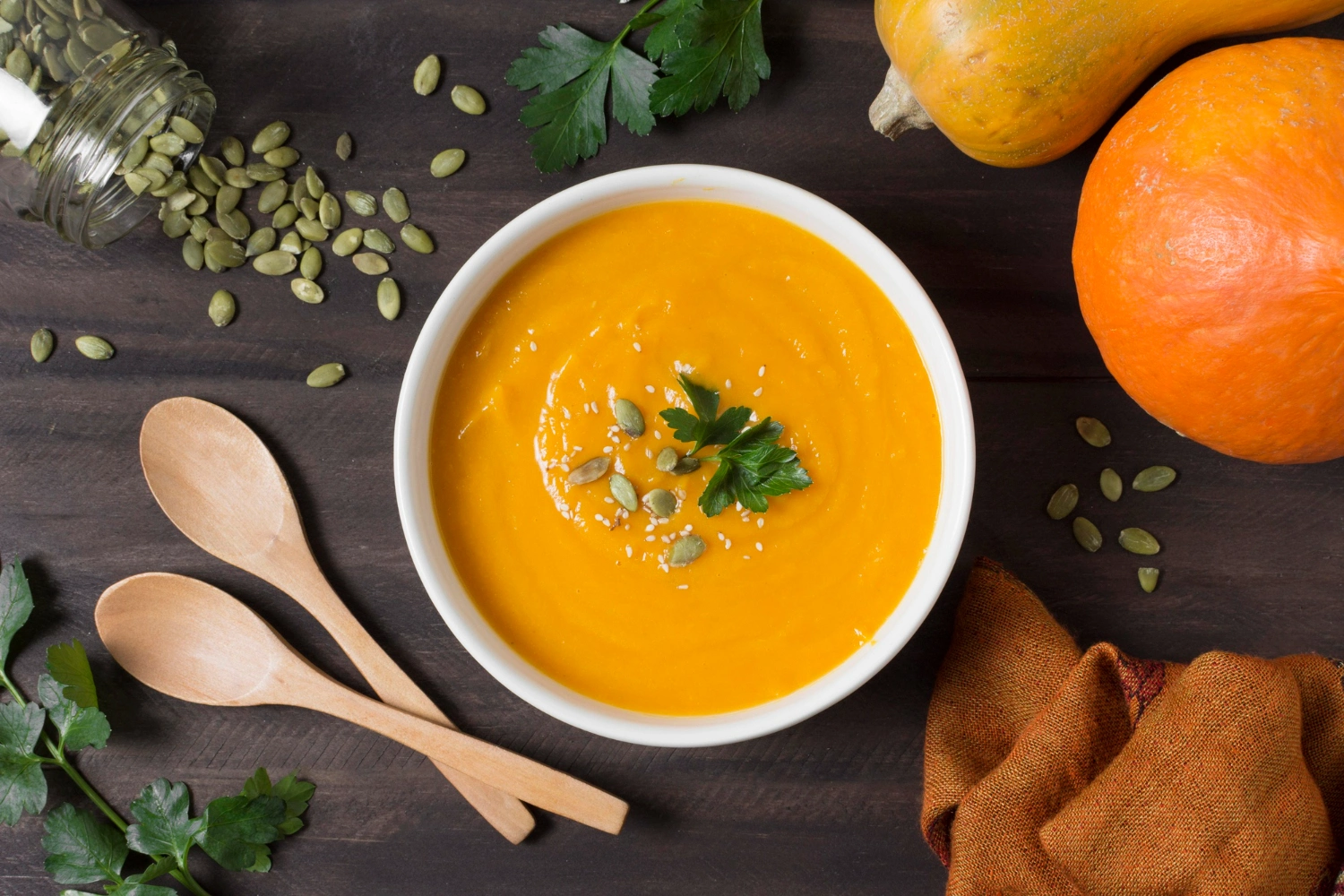
A bowl this velvety smooth, with warm notes of roasted squash and a hint of spice, tastes like it belongs on a restaurant menu rather than something you pulled together on a Tuesday night. Butternut Squash Soup starts with roasting, not boiling, which is the real difference between a flat tasting soup and one with genuine caramelized depth in every spoonful.
I started roasting the squash instead of simmering it raw after one too many bland, watery batches, and the improvement was immediate and obvious. Those caramelized edges on the squash carry through into the finished soup, giving it a richness that no amount of extra seasoning could fake on its own. Once the weather turns cooler, this butternut squash soup becomes one of the first things I want to make, and it rarely lasts more than a day or two in my fridge once it is ready.
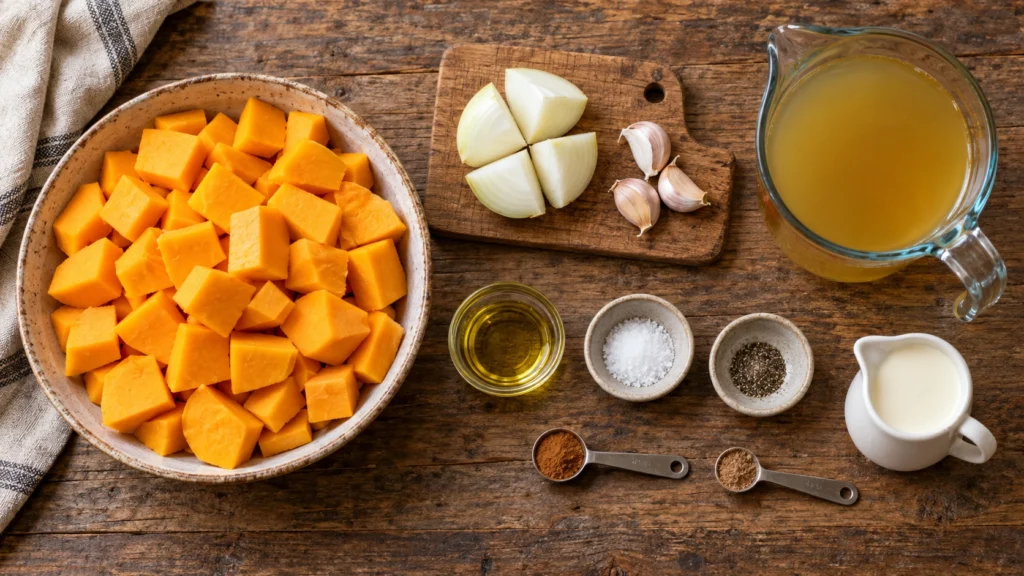
Table of Contents
Why You’ll Love This Recipe
- Deep, caramelized flavor from roasting the squash instead of boiling it
- Velvety smooth texture once fully blended, no lumps in sight
- Naturally vegetarian, with an easy vegan swap if needed
- Freezer friendly, making it a reliable make ahead soup
- Warmly spiced, with just enough cinnamon and nutmeg to feel like fall
- Easy to customize with different toppings or a spicy kick
Quick Information
- Prep Time: 15 minutes
- Cook Time: 35 minutes
- Total Time: 50 minutes
- Servings: 6
- Difficulty: Easy
- Calories: 190 per serving
- Important Tool: A blender or immersion blender
- Best For: Fall dinners, a light lunch, or a make ahead freezer meal
- Course: Soup
- Cuisine: American
- Category: Soups & Salads
Nutrition Information
- Calories: 190
- Protein: 3g
- Carbohydrates: 28g
- Fat: 8g
- Fiber: 5g
- Sugar: 9g
- Sodium: 480mg
- Serving Size: About 1 1/2 cups
- Servings Per Recipe: 6
Butternut squash naturally brings a solid amount of fiber and vitamin A to this soup, which helps it feel more substantial than its calorie count might suggest. Swapping the heavy cream for coconut milk keeps the richness while making the entire dish dairy free, without much change to the final texture.
Nutrition information is an estimate calculated from standard ingredient values and will vary based on specific brands and portion sizes used.
Ingredients
For the Soup
- 1 large butternut squash, peeled and cubed (about 6 cups)
- 1 small onion, quartered
- 3 garlic cloves, unpeeled
- 2 tablespoons olive oil
- 3/4 teaspoon salt, plus more to taste
- 1/4 teaspoon black pepper
- 4 cups vegetable or chicken broth
- 1/2 cup heavy cream or coconut milk
- 1/4 teaspoon ground cinnamon
- 1/8 teaspoon ground nutmeg
Ingredient Notes: Roasting the squash, onion, and garlic together before blending is what gives this butternut squash soup its deep, caramelized flavor, so avoid the temptation to skip straight to simmering everything in broth. Coconut milk makes an excellent substitute for heavy cream if you want a dairy free version, adding its own subtle richness without overpowering the squash.
Callout Box — Ingredient Tip: Roasting the garlic cloves whole and unpeeled, right alongside the squash, mellows their sharpness into a soft, spreadable texture that blends seamlessly into the finished soup.
Equipment Needed
- Baking sheet – roasts the squash, onion, and garlic for deeper flavor
- Large pot – simmers the roasted vegetables with broth before blending
- Blender or immersion blender – purées the soup into a smooth, velvety texture
- Knife and cutting board – for peeling and cubing the squash
Practical Tip: An immersion blender lets you purée the soup directly in the pot, which means one less appliance to clean compared to transferring everything to a countertop blender.
Preparation
Before you start, preheat your oven to 425°F (220°C) so it is fully heated by the time your squash is ready to roast. Peel and cube the butternut squash into roughly even pieces so everything roasts at the same rate.
Line a large baking sheet with parchment paper for easier cleanup, and have your broth measured out and ready to go once the vegetables come out of the oven.
Step by Step Instructions
- Prep the vegetables. Toss the cubed squash, quartered onion, and unpeeled garlic cloves with olive oil, salt, and pepper on a baking sheet.
- Roast until caramelized. Roast for 30 to 35 minutes, until the squash is tender and lightly caramelized at the edges.
- Peel the garlic. Once cool enough to handle, squeeze the roasted garlic cloves out of their skins.
- Transfer to a pot. Add the roasted squash, onion, and garlic to a large pot along with the broth.
- Simmer briefly. Bring to a simmer over medium heat and cook for 5 minutes to let the flavors meld together.
- Blend until smooth. Purée the soup with an immersion blender, or in batches in a regular blender, until completely smooth.
- Finish the soup. Stir in the cream, cinnamon, and nutmeg, then taste and adjust the salt and pepper as needed.
- Serve warm. Ladle into bowls and add your favorite garnish before serving.
Chef’s Note: Roasting the squash until the edges turn deeply golden and slightly caramelized is what builds real flavor here, so resist pulling it from the oven too early even if it looks tender.
Chef’s Note: Blend until there are absolutely no lumps remaining, since a properly smooth, velvety texture is one of the hallmarks of a great butternut squash soup.
Chef’s Note: Stir the cream in off the heat or over low heat rather than a hard simmer, since high heat can cause dairy based cream to curdle or separate.
Expert Tips & Tricks
- Always roast, never just boil. The first time I skipped roasting and simply simmered raw squash in broth, the soup tasted noticeably flat, so now I never skip this step.
- Roast the garlic whole. Leaving the garlic unpeeled while roasting mellows its sharpness and makes it easy to squeeze straight into the pot.
- Blend thoroughly. A few extra seconds of blending is the difference between a velvety soup and one with unpleasant small lumps.
- Add cream off high heat. Stirring dairy in at the very end, over low heat, prevents any risk of curdling.
- Balance the sweetness. A pinch of black pepper or cayenne helps offset the natural sweetness of the squash if your batch tastes too sweet.
- Make it ahead. This soup tastes just as good, if not better, reheated the next day once the flavors have had time to settle.
- Freeze in portions. Butternut squash soup freezes exceptionally well, so portioning it into individual containers makes for an easy grab and go lunch later.
Common Mistakes & Troubleshooting
Bland, flat flavor: Skipping the roasting step and just simmering raw squash is the most common cause here. Always roast the squash, onion, and garlic until caramelized before adding broth, since that browning is where most of the real flavor comes from.
Curdled or separated cream: Adding cream to a hard simmering pot of soup can cause dairy to curdle, leaving an unpleasant grainy texture. Stir the cream in off the heat or over very low heat, and avoid bringing the soup back to a hard boil afterward.
Lumpy texture: Under-blending, or rushing through with a weaker blender, leaves small chunks of squash throughout. Blend for a full minute or longer, checking for any remaining lumps before moving on to the next step.
Soup too thick or thin: An imbalance between roasted vegetables and broth is usually the cause. Add extra broth a splash at a time if the soup seems too thick, or simmer a bit longer uncovered if it needs to reduce and thicken.
Overly sweet soup: Butternut squash is naturally quite sweet on its own, and too little seasoning can leave the finished soup tasting more like dessert than dinner. I learned this after underseasoning a batch once, so now I always taste and add a bit more salt or a pinch of black pepper to balance that natural sweetness.
Storage Instructions
- Room Temperature: Do not leave the soup out longer than 2 hours.
- Refrigerator: Store in an airtight container for up to 5 days.
- Freezer: Freeze in an airtight container or freezer bag for up to 3 months.
- Reheating: Reheat gently on the stovetop over medium low heat, stirring occasionally, or in the microwave in 1 minute bursts.
- Make Ahead: Roast the squash up to 2 days in advance and store it separately in the fridge until you are ready to finish the soup.
- My storage tip: I always freeze this soup in individual portions rather than one large container, since it thaws faster and makes for an easy single serving lunch straight from the freezer.
Variations & Substitutions
- Spicy version: Add 1/4 teaspoon of cayenne pepper or a pinch of curry powder to the soup for a warm, spicy kick against the natural sweetness.
- Mild, kid friendly version: Skip the cinnamon and nutmeg and add a touch more cream for a simpler, sweeter flavor.
- Vegan version: Use vegetable broth and swap the heavy cream for full fat coconut milk to keep the entire soup plant based.
- Naturally gluten free: This recipe contains no gluten as written, making it safe to serve without any changes.
- Other substitutions: Add a peeled, chopped apple to the roasting pan for extra sweetness and a subtle tartness, or stir in a spoonful of curry powder for a completely different flavor direction.
Serving Suggestions
This vegun butternut squash soup is filling enough on its own, but a few extras round it out nicely.
- Bread: Crusty bread or a warm dinner roll for dipping
- Sandwiches: A grilled cheese sandwich makes a classic, comforting pairing
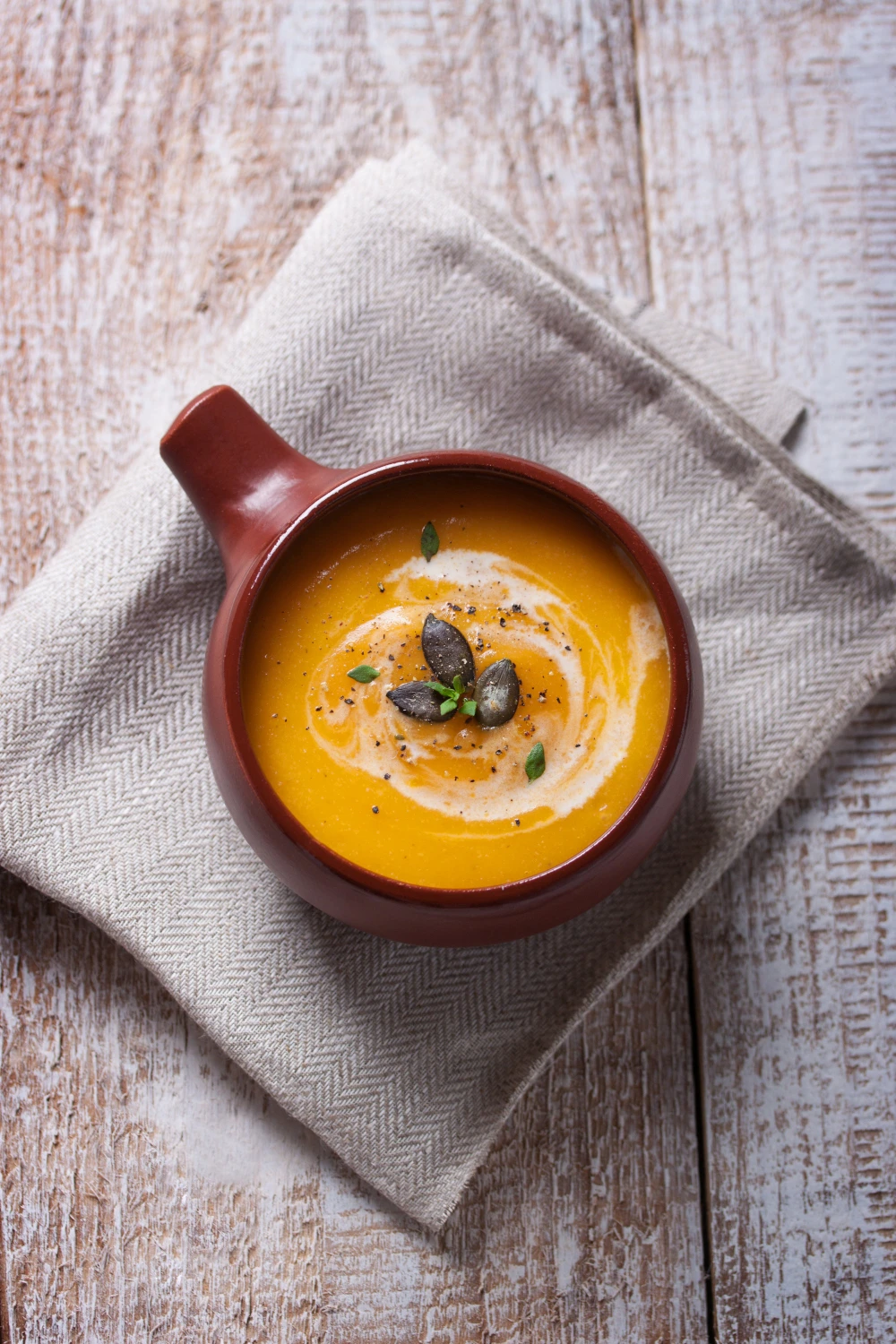
- Garnishes: Toasted pepitas, a swirl of cream, or a sprinkle of fresh sage
- Side salad: A simple green salad with a light vinaigrette for contrast
- Meal combinations: Pair with chicken noodle soup for a cozy, soup focused dinner night, or explore more soup and salad recipes for other seasonal options
Callout Box — Meal Prep Tip: I always roast a double batch of squash on Sundays, freezing half so a fresh pot of butternut squash soup only takes about 15 minutes of actual hands on work later in the week.
Frequently Asked Questions
Can I make butternut squash soup ahead of time?
Yes, this soup actually tastes even better the next day once the flavors have had time to settle, making it a great make ahead option. Store it in the refrigerator for up to 5 days, or freeze it for up to 3 months in individual portions for an easy grab and go meal. You can also roast the squash up to 2 days in advance and finish the soup fresh when you are ready.
Why is my butternut squash soup bland?
Bland flavor almost always means the squash was simmered raw rather than roasted first, missing out on that caramelized depth roasting provides. Always roast the squash, onion, and garlic until the edges turn golden brown before adding broth, since that step builds most of the real flavor in this soup. A final taste and seasoning adjustment before serving also helps.
Can I make this soup without roasting the squash first?
You technically can simmer raw squash directly in broth to save some time, but the flavor will be noticeably flatter and less complex than the roasted version. Roasting caramelizes the natural sugars in the squash, which is a big part of what makes this particular butternut squash soup taste so rich. If you are short on time, roasting is still worth the extra 30 minutes for the flavor payoff.
How do I make butternut squash soup vegan?
Simply use vegetable broth instead of chicken broth, and swap the heavy cream for full fat coconut milk, which adds a similar richness without any dairy. The rest of the recipe stays exactly the same, including the roasting step, which remains just as important for flavor in the vegan version. Coconut milk does add a very subtle coconut note, though it blends in nicely with the warm spices.
Why did my cream curdle in my butternut squash soup?
Curdling happens when dairy based cream is added to liquid that is at a hard simmer or boil, causing the proteins in the cream to separate and clump. Always stir the cream in off the heat, or over very low heat, and avoid bringing the soup back to a vigorous simmer once the cream has been added. If curdling does happen, a quick blend can sometimes smooth the texture back out, though prevention is easier than the fix.
Conclusion
Butternut Squash Soup proves that a few simple ingredients, treated the right way, can turn into something that genuinely tastes like the best part of fall in a bowl. What makes the real difference here is roasting rather than boiling, a small extra step that pays off in every single spoonful of the finished soup. Make a big batch this weekend, and you will likely find yourself reaching for this one on repeat all season long.
For more comforting seasonal soup recipes like this one, follow along on Pinterest at MyRecipesDiary.

Butternut Squash Soup
Ingredients
Equipment
Method
- Toss squash, onion, and garlic with olive oil, salt, and pepper; roast at 425°F for 30 to 35 minutes.
- Peel roasted garlic and transfer everything to a pot with broth.
- Simmer 5 minutes to meld flavors.
- Blend until completely smooth.
- Stir in cream, cinnamon, and nutmeg off the heat.
- Adjust seasoning and serve warm.
Notes
- Always roast the squash rather than simmering it raw for real depth of flavor.
- Blend thoroughly for a completely smooth, velvety texture with no lumps.
- Stir in cream off the heat or over low heat to prevent curdling.
- A blender or immersion blender is essential here, since the smooth texture is a defining feature of this soup.