Easy Cream Cheese Frosting Recipe

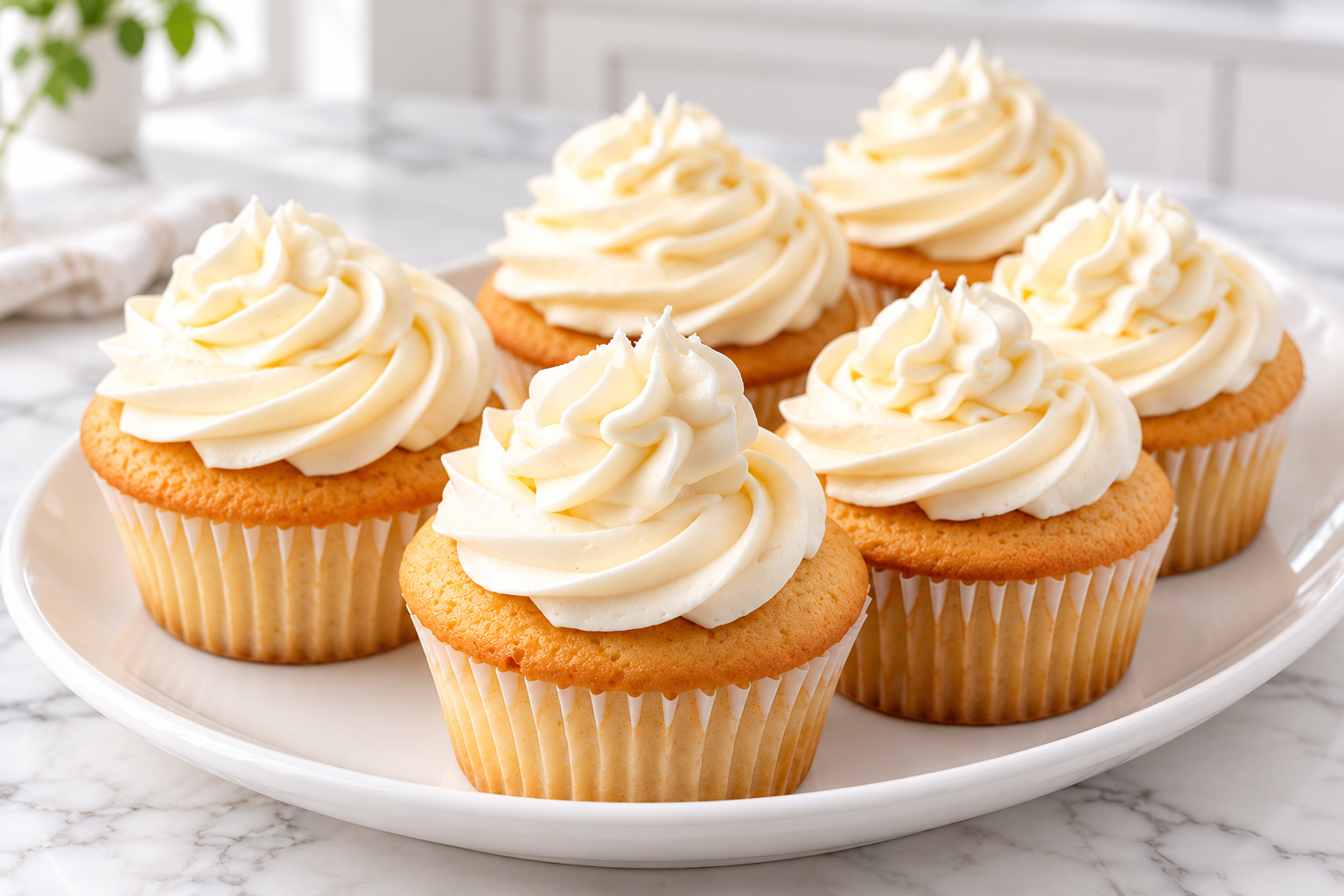
Cream cheese frosting is the topping I spread on everything from carrot cake to cinnamon rolls when I want a tangy, creamy finish. It is smooth, lightly sweet and sharp enough to balance rich cake layers. My first batch was a soupy, grainy mess. I used cold cream cheese straight from the fridge and added the sugar too fast, and the frosting slid off the cake like melted ice cream.
What makes this version different is the softened cream cheese and a short whip with cold butter. I tested three sugar ratios over two weeks of baking, and I found that sifting the powdered sugar and beating it in slowly gives a fluffy, spreadable texture every time. My husband, who usually scrapes frosting off his plate, licked the spoon and asked me to make extra for his lunch.
Table of Contents
Why You’ll Love This Recipe
- Smooth, spreadable texture: Softened cream cheese and butter whip into a frosting that holds its shape on the cake.
- Bright, tangy flavor: A splash of lemon juice balances the sweetness, so the frosting never tastes flat.
- Ready in 10 minutes: There is no cooking involved, so you can frost your cake while it cools.
- Covers a 2 layer cake: One batch frosts two 9 inch layers with enough left over for cupcakes or cinnamon rolls.
- Make ahead friendly: The frosting keeps in the fridge for up to 5 days, so you can prepare it the day before you bake.
Quick Information
- Prep Time: 10 minutes
- Chill Time: 15 minutes (optional)
- Total Time: About 25 minutes
- Servings: About 3 cups (enough for a 2 layer cake)
- Difficulty: Easy
- Calories: 210 per 2 tablespoons
- Important Tool: A stand mixer or hand mixer
- Best For: Carrot cake, red velvet cake, cupcakes, and cinnamon rolls
- Course: Dessert
- Cuisine: American
- Category: Desserts
Nutrition Information
- Calories: 210
- Protein: 2g
- Carbohydrates: 26g
- Fat: 11g
- Fiber: 0g
- Sugar: 25g
- Sodium: 90mg
- Serving Size: 2 tablespoons
- Servings Per Recipe: 12
Nearly all of the calories come from the powdered sugar and butter, so frosting is best enjoyed in modest amounts. Cream cheese adds a little protein and calcium, though the fat content is high. Using reduced fat cream cheese and cutting the powdered sugar by 1/2 cup lowers the calories while keeping a tangy, creamy texture.
Nutrition information is an estimate calculated from standard ingredient values and will vary based on specific brands and portion sizes used.
Ingredients
For the Frosting
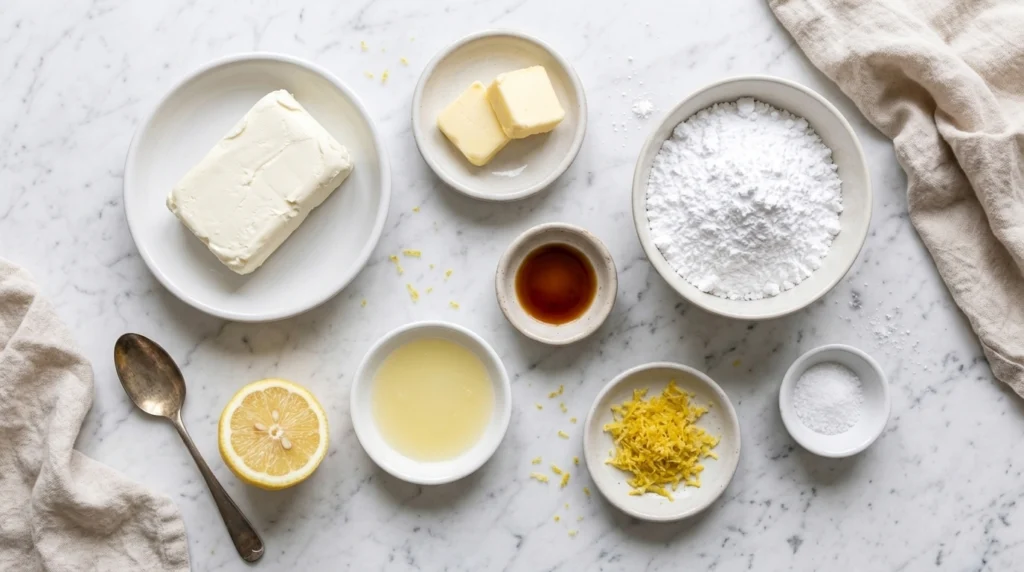
- 8 ounces cream cheese, softened to room temperature
- 1/2 cup (1 stick) unsalted butter, softened
- 3 1/2 cups powdered sugar, sifted
- 1 teaspoon pure vanilla extract
- 1 tablespoon fresh lemon juice
- 1/8 teaspoon fine sea salt
Ingredient Notes: Use full fat block cream cheese, not the spreadable tub, since the tub version is softer and can make the frosting runny. Let the cream cheese and butter sit out for about 30 minutes until they give easily when pressed. Sifting the powdered sugar removes lumps and keeps the frosting silky. Lemon juice adds a bright tang, and you can replace it with 1 teaspoon of milk if you prefer a milder taste.
Tip: Beat the cream cheese alone for 1 minute before adding anything else. This smooths out small lumps that would otherwise stay in the finished frosting.
Equipment Needed
- Stand mixer or hand mixer: Whips the cream cheese and butter until light and fluffy.
- Fine mesh sieve: Sifts the powdered sugar so the frosting has no grainy bits.
- Rubber spatula: Scrapes down the bowl so every bit of cream cheese gets mixed in.
- Offset spatula: Spreads the frosting smoothly over the cake layers and sides.
- Microplane grater: Adds fresh lemon zest for an extra layer of bright flavor.
Practical Tip: Sift the powdered sugar twice if it looks clumpy. Lumps are the most common reason frosting turns out gritty, and a few extra seconds saves the texture.
Preparation
Take the cream cheese and butter out of the fridge about 30 minutes before you start, so they soften evenly. Sift the powdered sugar into a bowl and measure the vanilla, lemon juice, and salt. Keep the offset spatula and a clean plate nearby for frosting your cake.
There is no oven or stovetop to preheat, so your main job is organization. Make sure the cake is fully cool before you start frosting, since warm layers melt the frosting. Set out the mixing bowl and beaters so you can work quickly once the butter and cream cheese are soft.
Step by Step Instructions
- Beat the cream cheese. Beat the softened cream cheese on medium speed for 1 minute until smooth and free of lumps. It should look creamy and pale.
- Add the butter. Add the butter and beat on medium for 2 minutes until light and fluffy. The mixture should look airy with no streaks of butter left.
- Add the sugar slowly. Reduce the speed to low and add the sifted powdered sugar 1 cup at a time, beating until each addition is absorbed. The frosting should look thick and smooth.
- Flavor the frosting. Beat in the vanilla, lemon juice, and salt on medium speed for 30 seconds. Taste a small spoonful and add a little more lemon juice if it tastes flat.
- Whip until fluffy. Beat on high for 1 minute until the frosting looks light, spreadable, and holds a soft peak. Chill for 15 minutes if it feels too soft to spread.
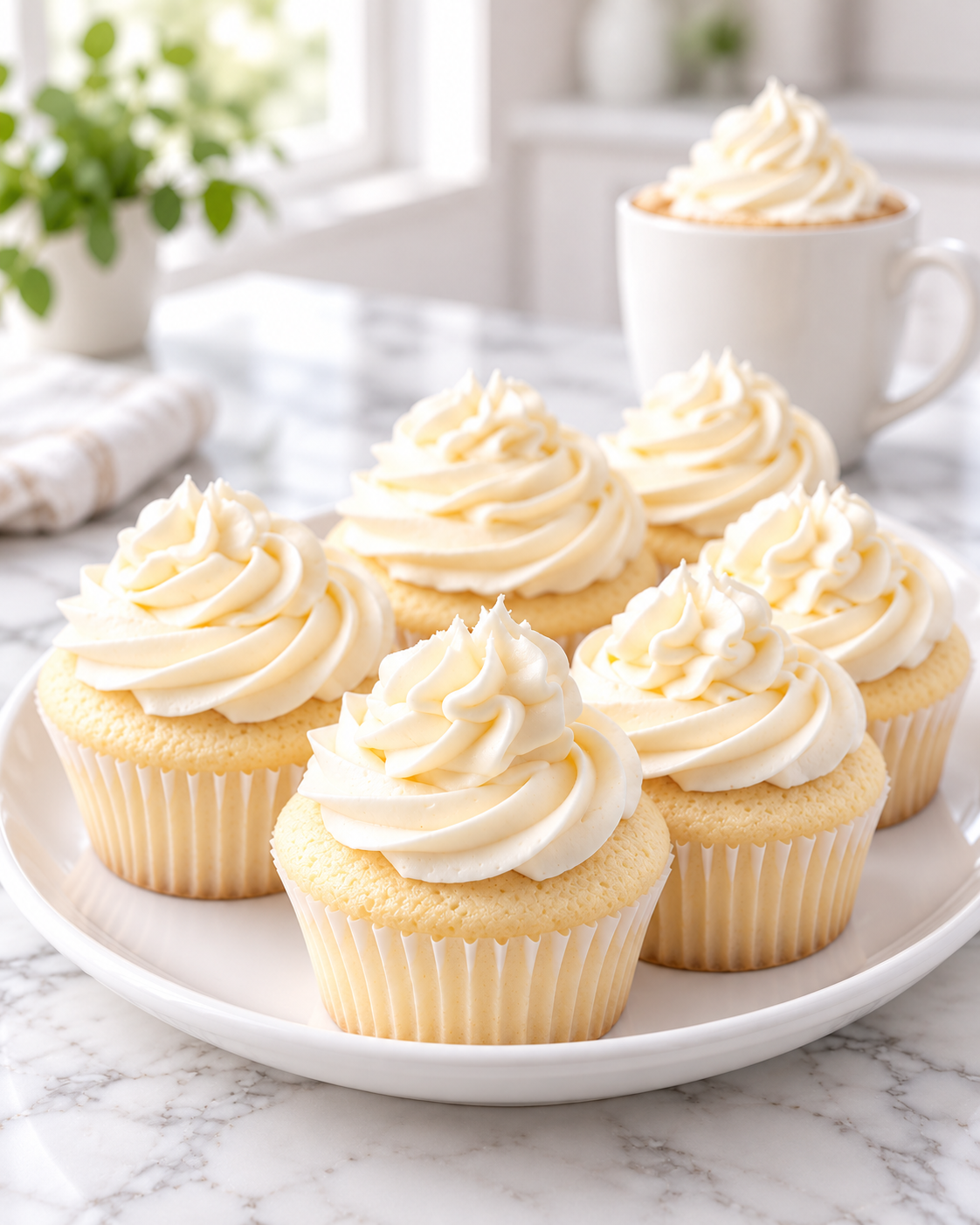
- Frost the cake. Spread the frosting over completely cooled cake layers with an offset spatula, starting with the top and then the sides. The surface should look smooth and even.
Pro tip: Keep the frosting cold while you work. If it softens too much, chill it for 10 minutes and beat it again briefly.
Expert Tips & Tricks
- Personal mistake: I once frosted a cake that was still slightly warm, and the frosting melted into a slick, uneven coat. Now I always wait until the layers feel fully cool.
- Make ahead: Make the frosting up to 5 days ahead and keep it covered in the fridge. Bring it to room temperature and beat it for 30 seconds before spreading.
- Storage: Store leftover frosting in an airtight container, and press plastic wrap directly onto the surface to prevent a skin from forming.
- Texture: Avoid overbeating after you add the sugar. Too much air can make the frosting look stiff and dry.
- Flavor: Add the lemon juice at the end, not at the beginning. Adding it early can thin the frosting and dull its tang.
- Time saving: Buy powdered sugar that is already sifted, or use a sifter with a built in crank. You skip the extra sifting step and still get a silky texture.
Common Mistakes & Troubleshooting
Runny frosting: Cream cheese that is too soft, warm kitchens, or a spreadable tub style cream cheese can thin the frosting. Chill the frosting for 15 minutes, then beat it again on high. If it is still loose, add 1/4 cup more powdered sugar a spoonful at a time.
Grainy texture: Unsifted powdered sugar or cold cream cheese leaves small lumps. Sift the sugar and let the cream cheese soften fully before mixing. If the frosting is already gritty, beat it for another 60 seconds on medium speed to smooth it out.
Too sweet: Extra powdered sugar or too much vanilla can overwhelm the tang. Add a squeeze of lemon juice and a pinch of salt to rebalance it. Taste after each addition so you can stop when the flavor feels right.
Frosting slides off the cake: A warm cake or a thin frosting layer makes it slide. Cool the layers completely and chill the frosted cake for 15 minutes before serving if it looks soft.
Butter separating: Butter that is too warm or cream cheese that is too cold can split the mixture. Bring both to room temperature, then beat again slowly. Adding a tablespoon of softened cream cheese can help bring the frosting back together.
Storage Instructions
- Room Temperature: Do not leave cream cheese frosting out for more than 2 hours, or 1 hour when the temperature is above 90°F.
- Refrigerator: Store in an airtight container for up to 5 days. Bring it to room temperature and beat briefly before using.
- Freezer: Freeze in a sealed container for up to 3 months. Thaw in the fridge overnight, then beat again until smooth.
- Reheating: Not applicable, since frosting is used cold or at room temperature.
- Make Ahead: Prepare the frosting up to 5 days ahead, refrigerate it, and beat briefly before spreading.
- My storage tip: I store leftover frosting in a small glass jar with a tight lid. It keeps the frosting from absorbing fridge odors and makes it easy to scoop.
Variations & Substitutions
- Spicy: Add 1/4 teaspoon of ground cinnamon and a pinch of nutmeg for a warm, spiced frosting that suits carrot cake.
- Mild or kid friendly: Skip the lemon juice and add an extra 1/2 teaspoon of vanilla for a sweeter, gentler flavor.
- Vegetarian: This recipe is already vegetarian. Check that your powdered sugar and vanilla labels are free of animal products if that matters to you.
- Gluten free: Frosting is naturally gluten free, as long as your vanilla extract and powdered sugar labels confirm it.
- Other substitutions: Swap half the cream cheese for mascarpone for a silkier texture, or replace the lemon juice with orange zest for a citrus twist.
Serving Suggestions
Cream cheese frosting is rich and tangy, so it pairs best with simple drinks and fresh fruit that balance its sweetness.
- Drinks: Hot coffee, cold milk, or a glass of Boba Tea Recipe for a fun dessert pairing
- Brunch spread or Sides: Serve a slice of frosted cake beside a bowl of fresh berries, or pair it with a classic Coconut Cake for a dessert table
- Sauces or dips: A bowl of extra frosting for dipping graham crackers or apple slices
- Garnishes: Toasted nuts, grated lemon zest, or a sprinkle of cinnamon
- Meal combinations: Serve it after a light dinner of roasted chicken and salad for a balanced celebration meal.
Meal Prep Tip: I make a batch of frosting on Saturday, store it in a jar in the fridge, and spread it on cinnamon rolls on Sunday morning. It takes about 2 minutes and makes the whole breakfast feel special.
Frequently Asked Questions
Can I make cream cheese frosting ahead of time?
Yes, cream cheese frosting keeps well in the fridge for up to 5 days. Store it in an airtight container, and press plastic wrap onto the surface to prevent a skin from forming. Bring it to room temperature for about 30 minutes, then beat it briefly until smooth and spreadable. Frosting made ahead often tastes even better, since the tangy flavors blend over time.
Why is my cream cheese frosting runny?
Runny frosting usually comes from cream cheese that was too soft, a spreadable tub instead of block cream cheese, or a warm kitchen. Chill the frosting for 15 to 20 minutes, then beat it on high for 1 minute. If it still feels loose, add 1/4 cup more sifted powdered sugar a spoonful at a time. Using full fat block cream cheese from the start prevents most of this problem.
Can I use reduced fat cream cheese?
You can, but the frosting will be softer and less stable. Reduced fat cream cheese contains more water, so it can make the frosting thin and slightly grainy. Chill the frosting well before spreading, and add an extra tablespoon of powdered sugar to help it set. For the most reliable texture and flavor, full fat block cream cheese is the better choice for this recipe.
How do I know when the frosting is thick enough?
Frosting is ready when it holds a soft peak on the beaters and looks smooth and spreadable. It should not drip off a spoon in a thin stream. Lift a spoonful and turn it upside down. If it stays on the spoon, the texture is right. If it slides off quickly, chill it for 15 minutes and beat again on high.
Can I freeze cream cheese frosting?
Yes, you can freeze cream cheese frosting for up to 3 months in a sealed container. Thaw it overnight in the fridge, then bring it to room temperature for 30 minutes. Beat it again for about 1 minute to restore its fluffy texture, since freezing can cause it to look slightly separated at first. Frozen frosting works well for carrot cake, cupcakes, and cinnamon rolls.
Conclusion
The best cream cheese frosting comes from patience with temperature and sugar. Soften the cream cheese fully, sift the powdered sugar, and add the lemon juice at the end. Those habits make a bigger difference than any special mixer or fancy tool.
I frosted a carrot cake for my neighbor’s birthday last spring, and the plate was clean before the candles had melted. A friend who says she dislikes cream cheese frosting asked for the recipe and told me the lemon tang was what won her over. Hearing that from a skeptic made the whole afternoon worthwhile.
For more desserts recipes like this one, browse more ideas on my Pinterest.

Easy Cream Cheese Frosting
Ingredients
Equipment
Method
- Beat the softened cream cheese for 1 minute until smooth.
- Add the butter and beat for 2 minutes until fluffy.
- Add the sifted powdered sugar 1 cup at a time on low speed.
- Beat in the vanilla, lemon juice, and salt for 30 seconds.
- Whip on high for 1 minute until light and spreadable.
- Frost the completely cooled cake with an offset spatula.
Notes
- Use full fat block cream cheese, not the spreadable tub, for the best texture.
- Sift the powdered sugar to prevent grainy frosting.
- Add lemon juice at the end so it does not thin the frosting.